Search Copenhagen–Stockholm departures
Denmark to Sweden, by rail
In simple terms, the route runs: Copenhagen → Øresund → Sweden → Stockholm. Denmark and Sweden sit on either side of the Øresund strait, a narrow, busy stretch of water that separates Zealand (home to Copenhagen) from the Scanian coast in southern Sweden. From there, the line runs north through Sweden's interior — a mix of farmland, forest and lake country — before reaching the Stockholm region on the Baltic coast.
Geographically, this makes the Copenhagen–Stockholm train one of relatively few routes in Europe that links two national capitals across an international sea strait entirely by rail, without a ferry crossing, thanks to the fixed link at Øresund.
- 522 km of continuous track between two national capitals, almost all of it over solid ground.
- The Øresund strait is the only open water on the entire journey — everything else is rail.
- Flat Danish farmland gradually gives way to Småland forest, then Swedish lake country as you head north.
- Copenhagen sits on the Øresund; Stockholm sits on the Baltic — two different seas, one uninterrupted railway.
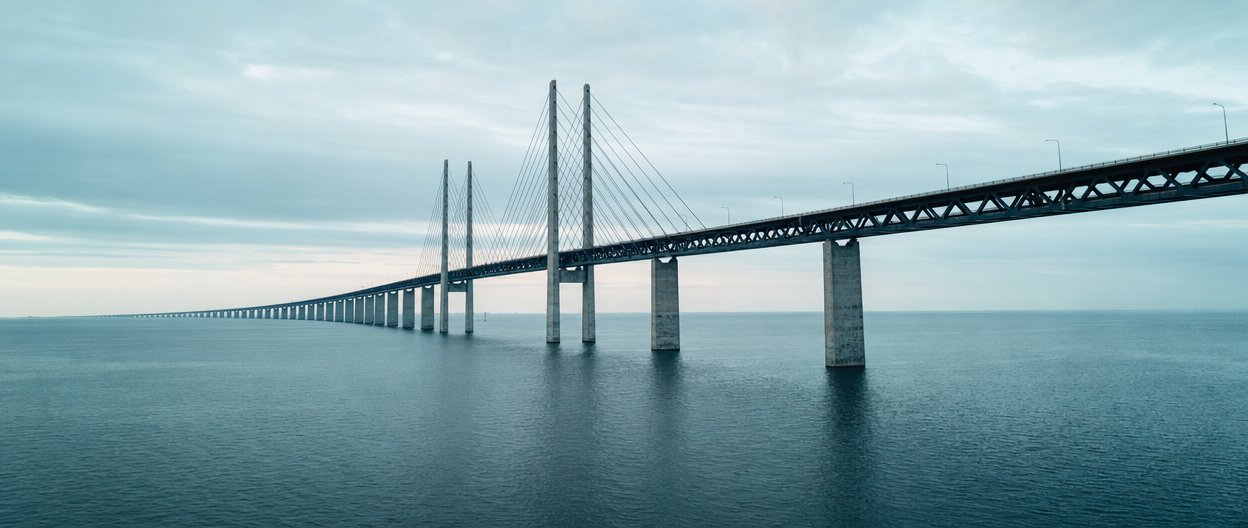
The Øresund Bridge
The single piece of infrastructure that makes this whole journey possible by train.
The Øresund Bridge — more precisely, the Øresund fixed link — opened in July 2000, connecting Denmark and Sweden across the Øresund strait for the first time by road and rail. Before it existed, crossing between Copenhagen and Malmö meant a ferry.
The link is actually three structures in sequence: a cable-stayed bridge of roughly 7.8 kilometres, an artificial island called Peberholm built specifically to carry the crossing from bridge to tunnel, and the Drogden Tunnel, an immersed tunnel of just over 4 kilometres running under the shipping lane closest to Copenhagen. The tunnel section exists so that ships approaching Copenhagen Airport and the port don't have to clear a bridge span at that end.
For rail travel specifically, the Øresund link is what turned Copenhagen–Malmö from a ferry-and-train journey into a single, direct rail connection — the foundation that the entire Copenhagen to Stockholm train journey is built on today.
In practice, most itineraries still involve a change of train at Malmö Central: a regional Öresundståg service crosses this same bridge from Copenhagen Central in around 35–40 minutes, connecting there with an SJ long-distance train that covers the remaining distance north to Stockholm in roughly 4 hours 30 minutes to 4 hours 45 minutes. Both legs are typically sold as one combined ticket, and Snälltåget's direct day train is the exception — it passes straight through Malmö without requiring a change at all.
Year opened
Opened to traffic in July 2000.
Officially opened on 1 July 2000 by Queen Margrethe II and King Carl XVI Gustaf, ending decades of ferry crossings between Copenhagen and Malmö.
Total length
Combined bridge, island and tunnel.
Roughly 16 km coast to coast, linking the cable-stayed bridge, the man-made island of Peberholm, and the Drogden Tunnel into one seamless crossing.
Bridge span
The cable-stayed bridge section alone.
The cable-stayed section alone covers 7.8 km over open water, carrying a four-lane motorway above a double-track railway on two 204-metre pylons.
Drogden Tunnel
Immersed tunnel nearest Copenhagen.
Just over 4 km long, it dips beneath the shipping lane into Copenhagen Airport and the port, letting large vessels pass overhead undisturbed.
Who runs the Copenhagen–Stockholm route
SJ's X2000 currently covers the Malmö–Stockholm leg, with its own through-service returning in autumn 2026. Snälltåget runs a genuine no-change day train across the whole route, and Öresundståg covers the regional Copenhagen–Malmö leg.
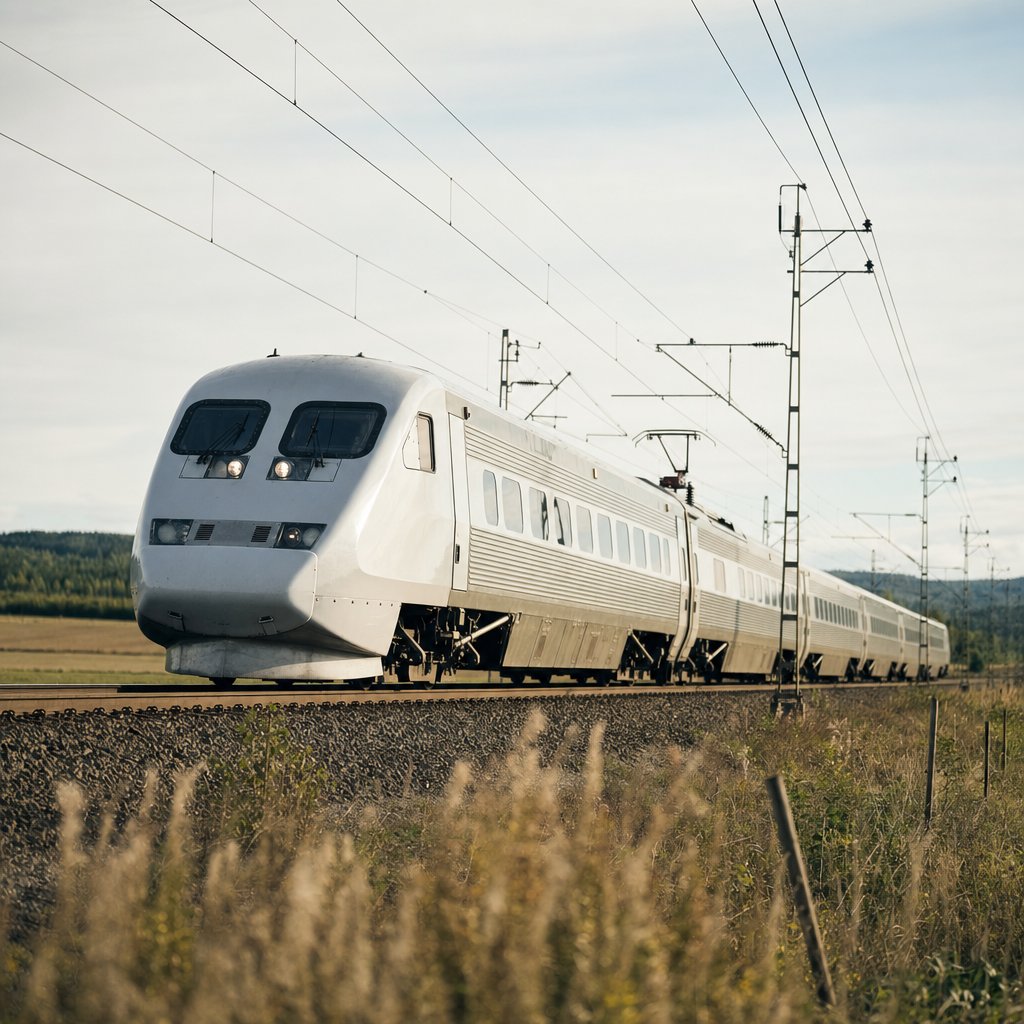
SJ and the X2000
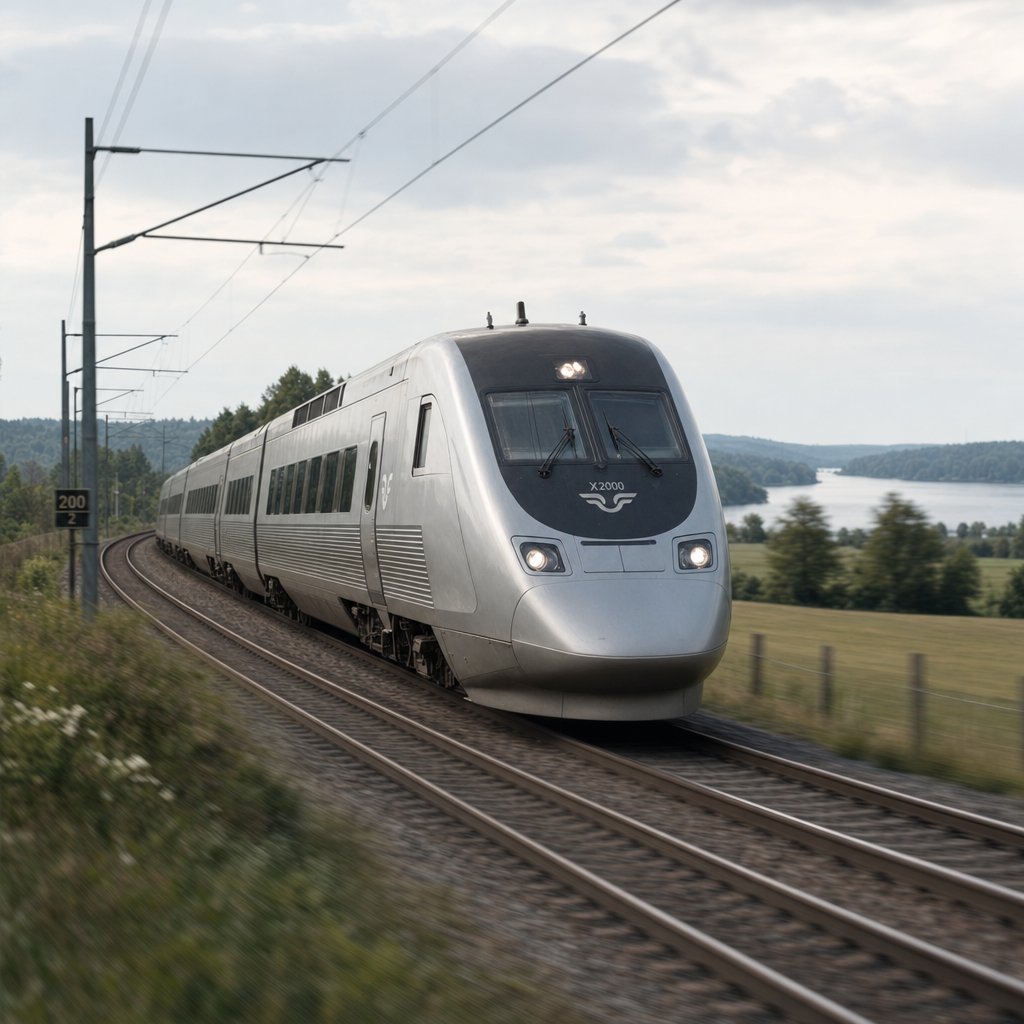
SJ is Sweden's principal long-distance rail operator. Its X2000 is a tilting high-speed train, designed to take curves at higher speed without excessive lean, and typically fitted with first and second class seating plus a bistro or trolley service. On this route, the X2000 currently covers the Malmö–Stockholm leg of a connecting itinerary; its own through-service across the whole Copenhagen–Stockholm journey has been suspended since 2024 due to a fleet shortage, with a return expected in autumn 2026.
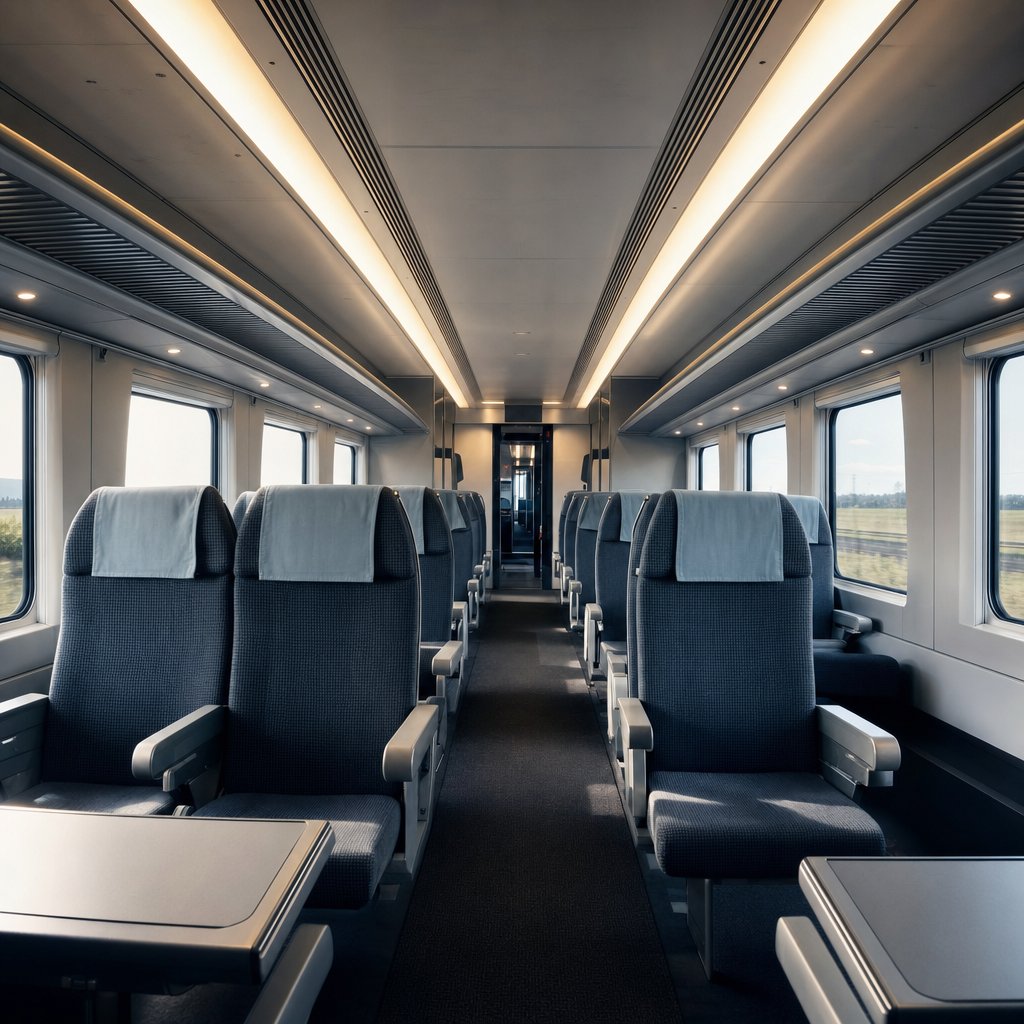
- First class
- Wider two-plus-one seating with generous legroom and a noticeably quieter carriage than second class. Most seats have at-seat power outlets and fold-down trays, with extra overhead and underseat space for hand luggage.
- Second class
- Standard two-plus-two seating, the default fare class for most travellers, with fold-down tables on many carriages for laptop work. Seats can usually be booked forward-facing or around a table for four.
- Bistro car
- A dedicated bistro carriage partway along the train serves hot and cold food, coffee, snacks and drinks throughout the journey. It also doubles as a spot to stretch your legs mid-trip, with seating available on a first-come basis.
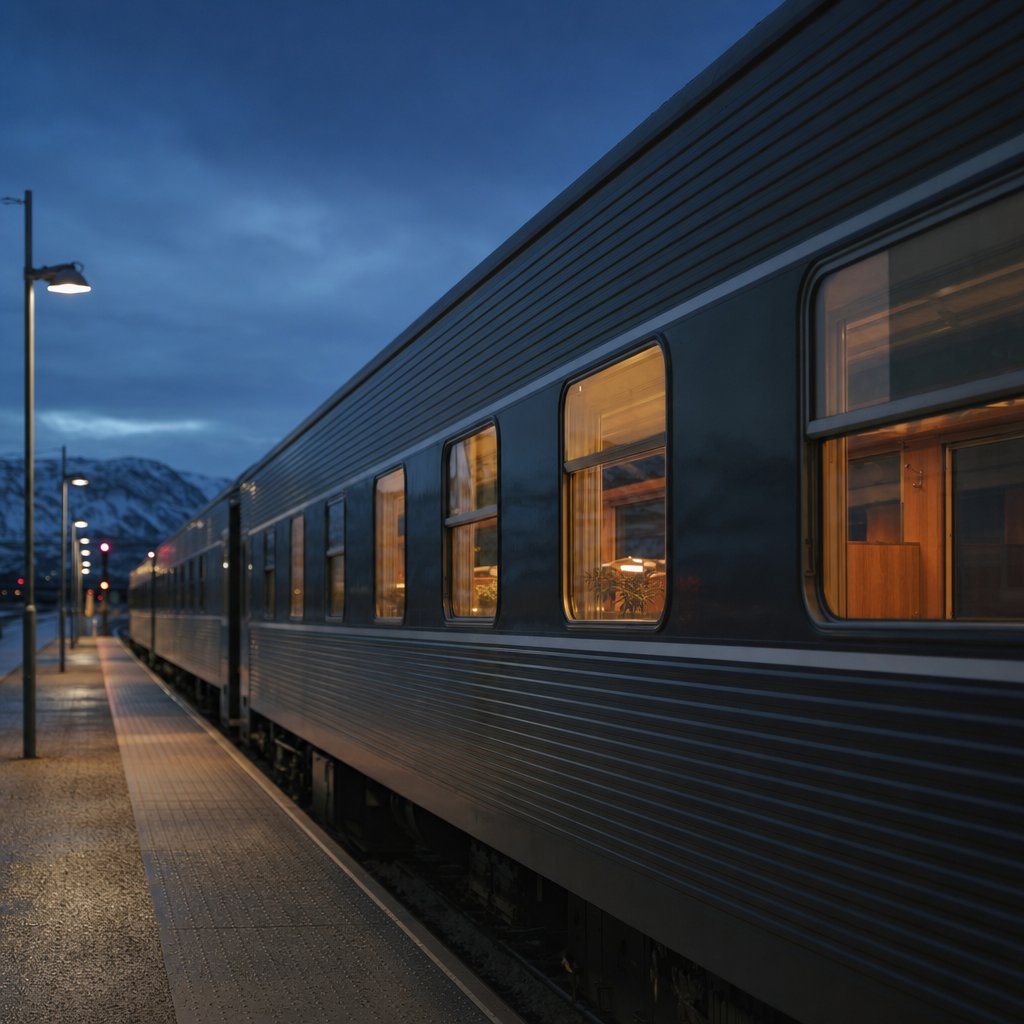
Snälltåget
Snälltåget is a Swedish open-access operator best known for overnight trains. On this corridor it runs a seasonal overnight service linking Stockholm, Copenhagen, Hamburg and Berlin, typically operating from May through October, plus a daily, year-round daytime service introduced in 2026. That daytime service is currently the one genuinely direct, no-change option on this corridor — check its own timetable rather than assuming identical service to SJ.
- Seated class
- Standard reclining seats on the daytime service, comparable to a typical second class carriage, with tray tables and enough width for a laptop. Seat reservations are included with your ticket.
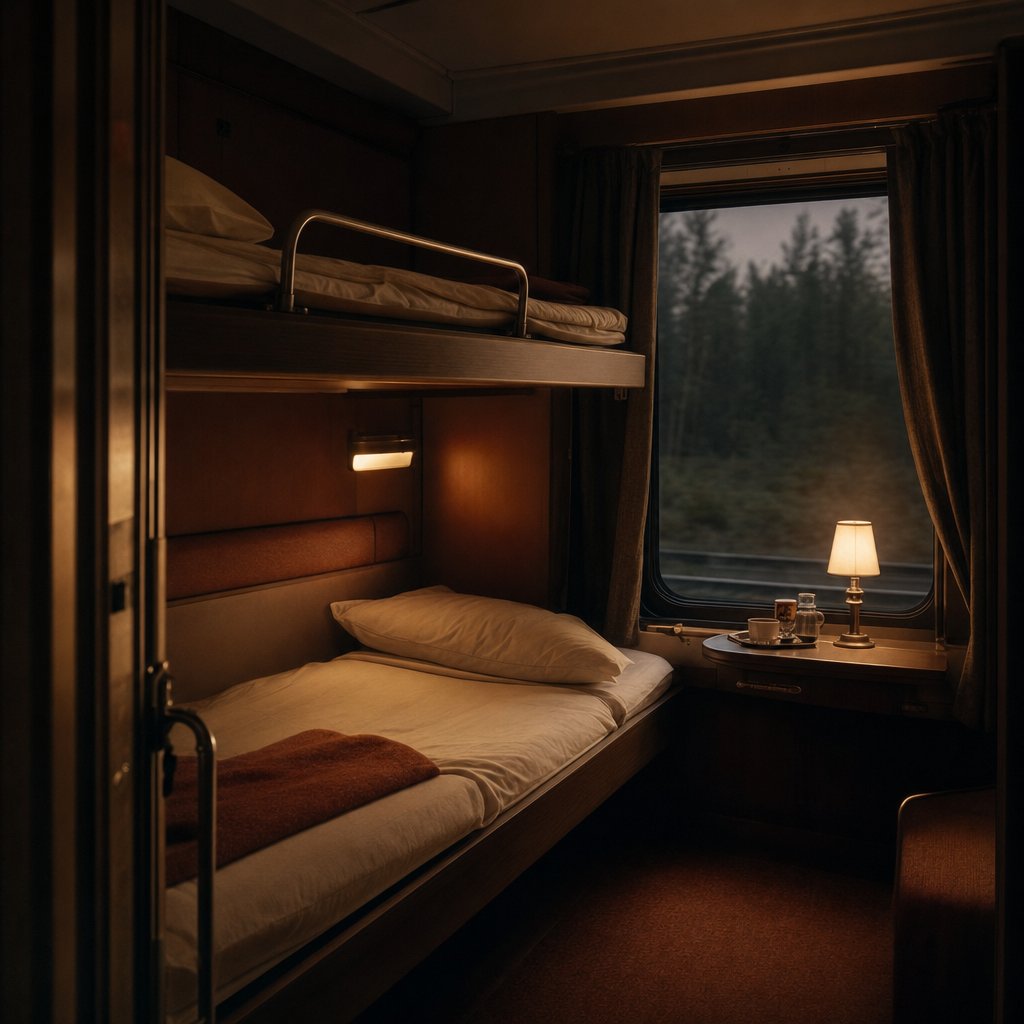
- Sleeper cabins
- Private compartments with one to three berths on the seasonal overnight service, booked per compartment or per berth depending on how much privacy you want. Cabins include bedding, a small sink and a lockable door.
- Couchettes
- Budget-friendly shared berths in multi-bed compartments — the most affordable way to sleep onboard the overnight service. Bedding is provided, though the compartment is shared with other passengers unless you book it out entirely.
Öresundståg
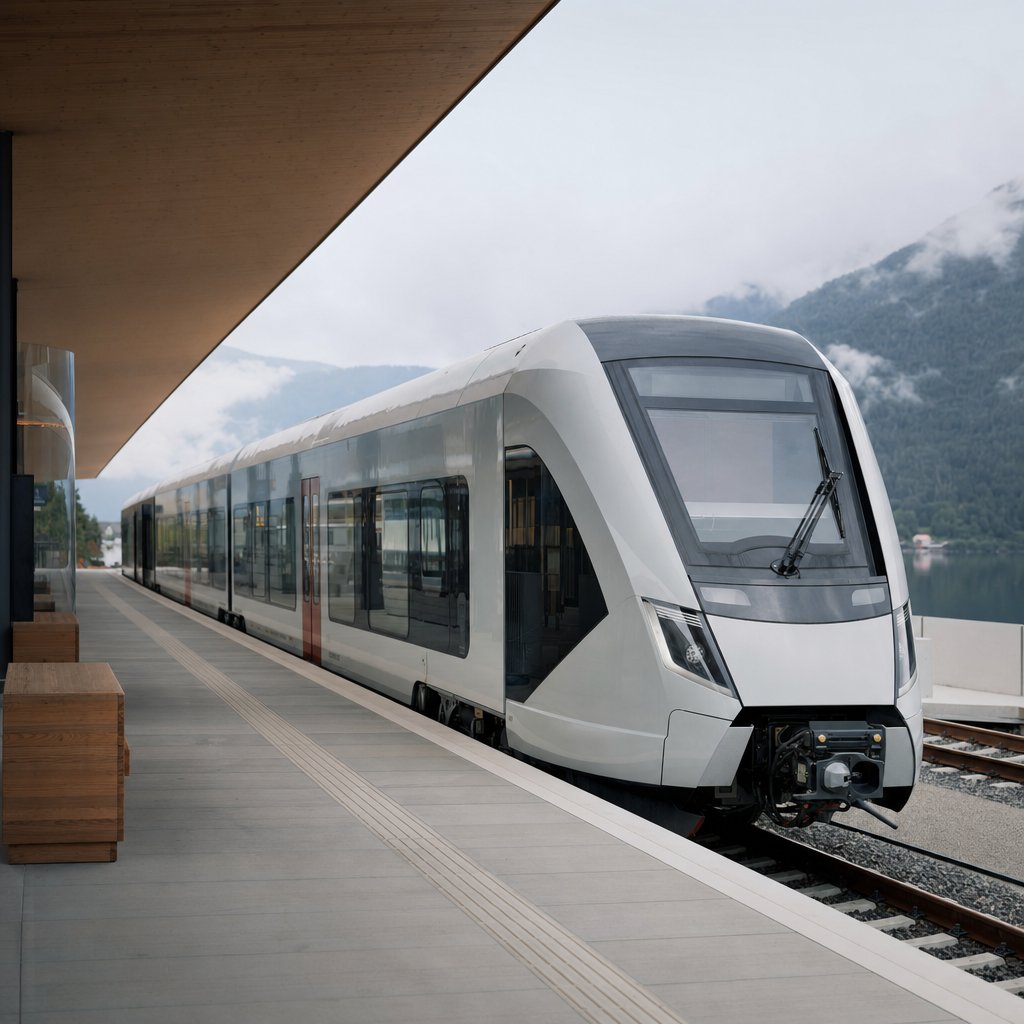
Öresundståg is a cross-border regional network operating in the wider area between Copenhagen and southern Sweden, run under contract to Skånetrafiken and several other Swedish regional transport authorities in cooperation with Danish operator DSB. It's the regional leg used on the current Copenhagen–Malmö connection, but it doesn't run to Stockholm itself — for the onward journey you change onto SJ or take Snälltåget's through train instead.
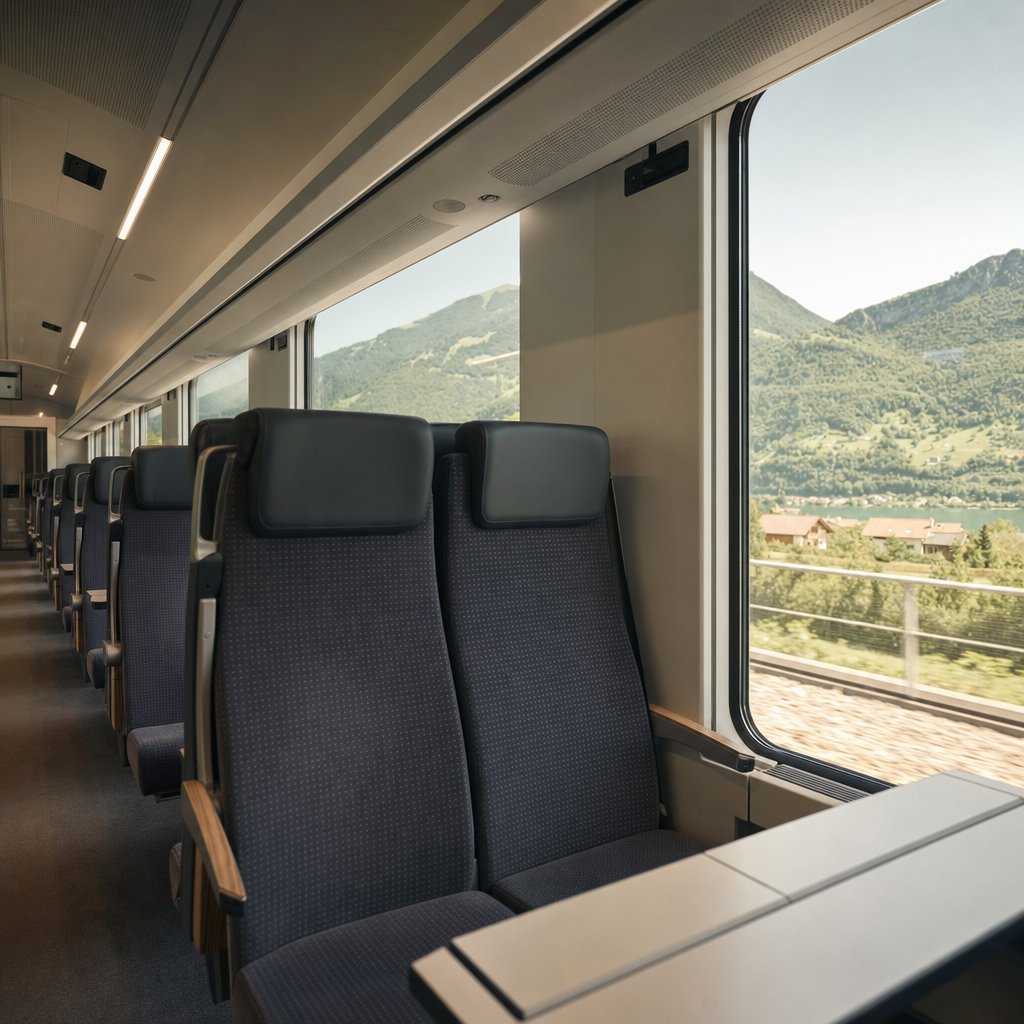
- Single class
- Open regional seating, no seat reservation needed — just find a free seat and go. Carriages are laid out for short-to-medium journeys, with fold-down seats near the doors for standing passengers at busier times.
- Bike & pram space
- Designated multi-use areas near the doors for bikes, prams and extra luggage, secured with straps or hooks. Space is available on a first-come basis and can fill up quickly at peak commuter times.
- No onboard catering
- Bring your own food and drink for longer regional legs — there's no buffet or trolley service on these trains. Some stations along the route have kiosks or cafés on the platform if you need to stock up beforehand.
Where you board, and where you arrive
 COPENHAGEN
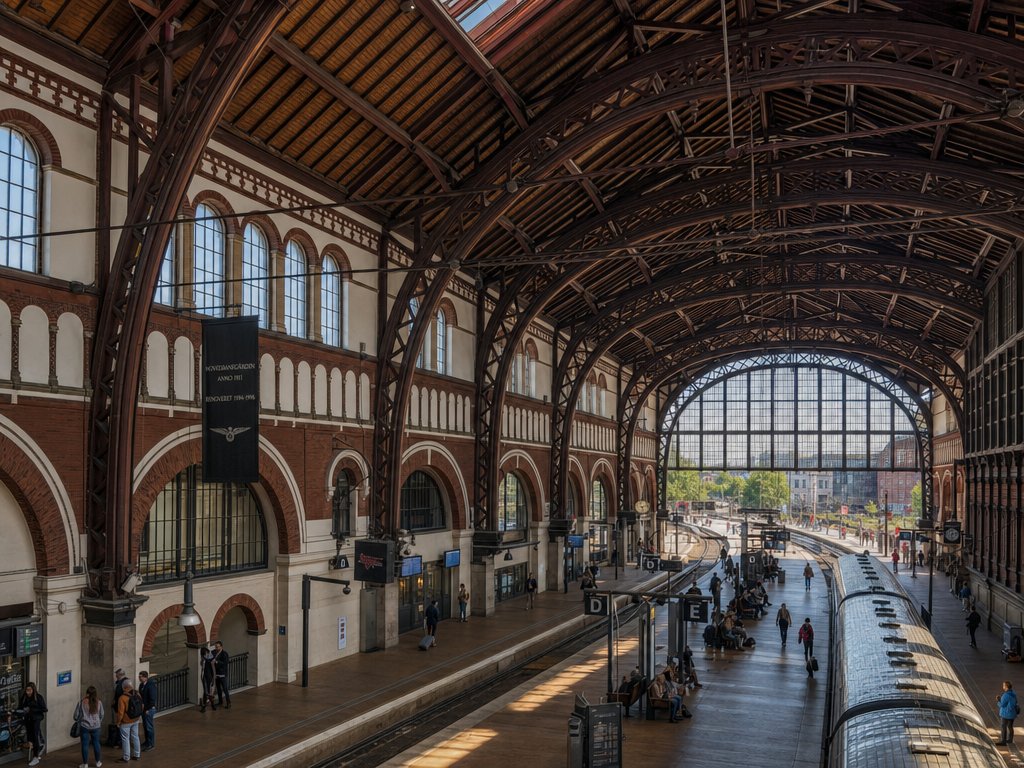
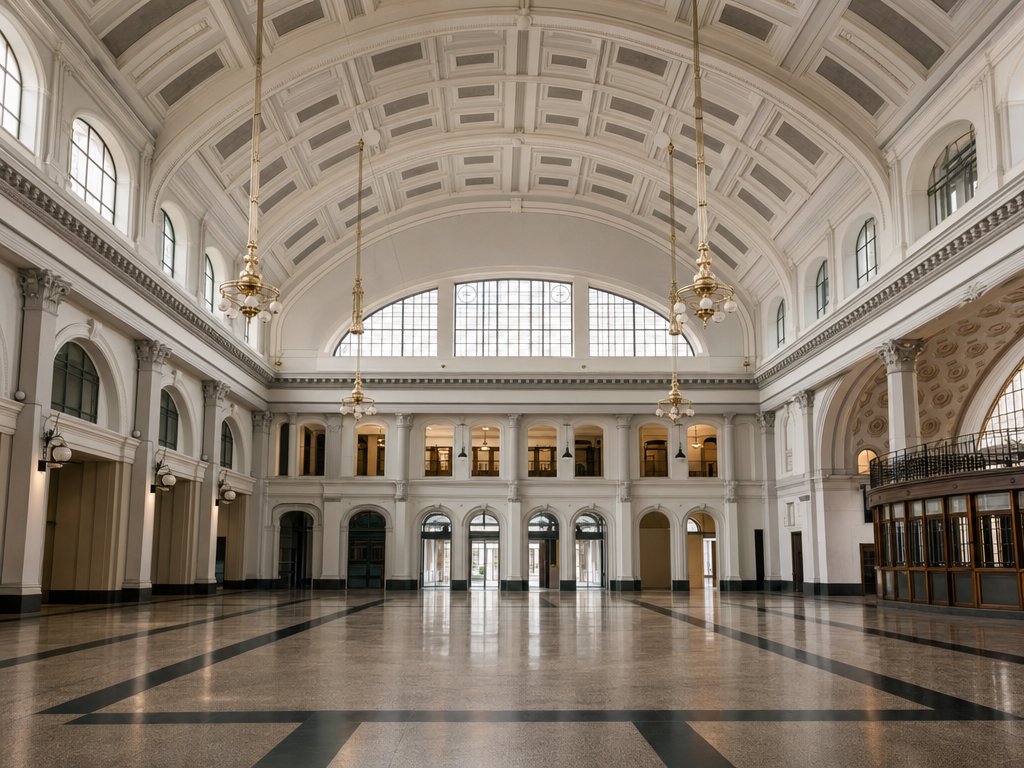
Copenhagen Central Station (København H)
Located in the heart of Copenhagen, directly beside Tivoli Gardens, København H is Denmark's principal railway station. Departure boards list regional and longer-distance services together, so check the board or app for your specific platform before heading down. Arriving with time to spare is worth it — the station can be busy at peak commuter times, with departures using varying platforms.
- S-train commuter network
- Copenhagen Metro
 STOCKHOLM
Stockholm Central Station
Stockholm Central sits in the city centre and functions as Sweden's busiest transport hub, connecting directly to T-Centralen and Stockholm City commuter rail nearby. Arriving passengers can reach most central Stockholm neighbourhoods and the archipelago ferries within a short walk or a quick metro ride. Since the X2000 arrives from the south, check the arrival platform in advance if you have a tight onward connection within the city.
- T-Centralen metro (tunnelbana)
- Stockholm City commuter rail
Luggage and baggage on the Copenhagen to Stockholm train
There is no single, universal luggage allowance for this journey — each operator sets its own rules, and your trip may involve more than one of them.
Operator luggage policies — always confirm current terms before travelling
- Standard luggage
- Generally up to two bags plus hand luggage, within stated size/weight limits
- Bicycles
- Must usually be disassembled and bagged; space is limited
- Pets
- Allowed in second class, typically in a reservable pet section
- Standard luggage
- One larger bag plus hand luggage, within stated limits
- Bicycles
- Conventional bikes largely restricted; folding bikes usually allowed as hand luggage
- Pets
- Allowed mainly in designated compartments on certain routes
Rules differ by operator. If you're travelling with a bike, pet or oversized luggage, check the specific policy for SJ or Snälltåget — whichever you've booked — directly on the operator's website close to your travel date.
General luggage allowance
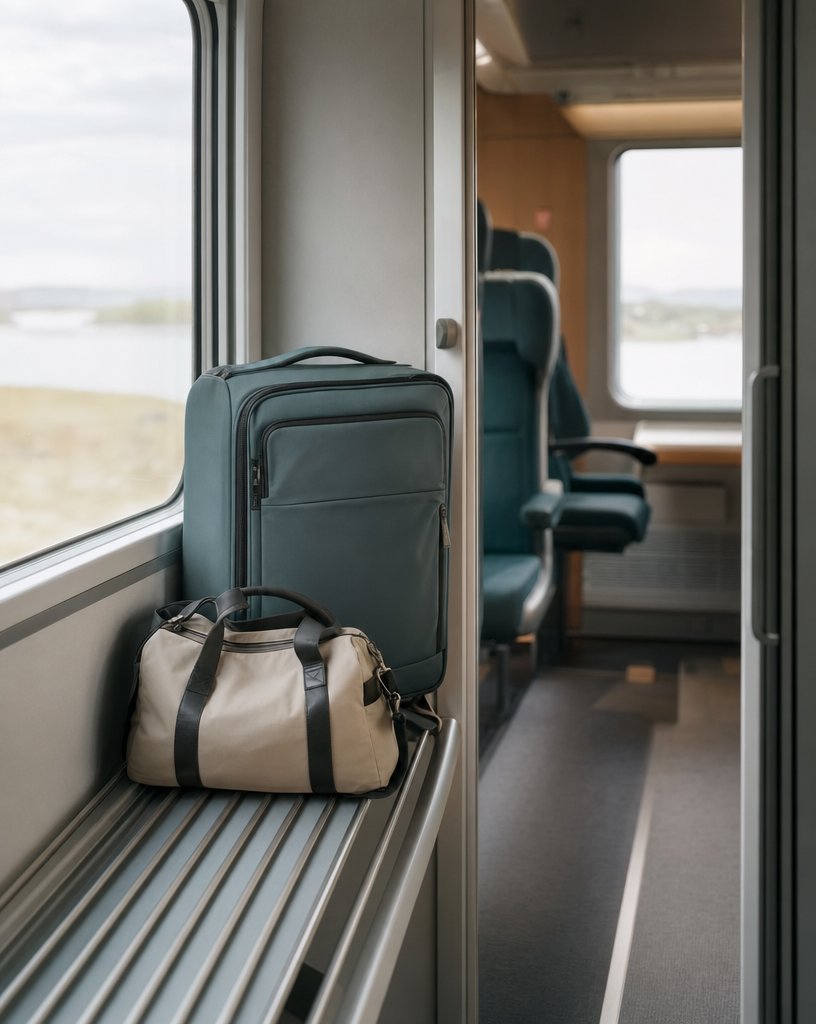
As a rough guide across both operators: most tickets include one or two standard suitcases plus a piece of hand luggage, roughly within the size of a typical airline carry-on and checked bag combined. There's no strict weight check at the platform the way there is at an airport — but seats and overhead racks are sized for realistic travel luggage, not oversized cargo, so very large or heavy items may simply not fit.
Practical tips
- Reserve bike space when you book — it's limited and not guaranteed if you leave it until the day.
- Keep tickets, ID and valuables with you in your hand luggage, not in a case stored away from your seat.
- Pack a bag you can lift yourself — platforms and regional connections don't have porters or luggage trolleys.
- Use the right rack for the bag — overhead racks suit soft bags and small cases; full-size suitcases usually go in the end-of-carriage racks or behind the last row of seats.
- Bring water and snacks for any regional leg — onboard catering is typically limited to SJ's long-distance service.
Copenhagen to Stockholm by train vs. plane
Neither option is simply "better" — they suit different priorities.
Plane only comes out ahead on raw journey time and having no scheduled change en route.
| Factor | Train | Plane |
|---|---|---|
| City-centre access | Both stations are central | Airports sit outside both cities |
| Total journey time | ~5–5.5 hours, door to door | ~1 hour flying, plus airport time |
| Airport/station transfers | None needed — you arrive at the city-centre station and walk straight to the platform | Extra trip needed at both ends to get to and from the airport |
| Security & check-in | None required | Standard airport security and check-in |
| Luggage | Generally generous, but operator-specific | Governed by fare-class allowances |
| Transfers en route | Currently one, in Malmö — or none on Snälltåget's day train | Usually none, direct flight |
| Scenery | Øresund crossing and Swedish countryside | None visible in transit |
| Comfort | More legroom, able to move around | Fixed seating for a shorter period |
| Environmental footprint | Generally lower per passenger for rail | Generally higher per passenger for short-haul flights |
For most everyday travel priorities, the train comes out ahead. Flying only wins on raw speed and a scheduled non-stop — if you value city-centre stations, generous luggage, scenery and comfort over shaving hours off the trip, the train is the practical choice, even though it takes longer overall.
Interesting facts about the Copenhagen–Stockholm rail journey
 FACT 01
Two capitals, one line
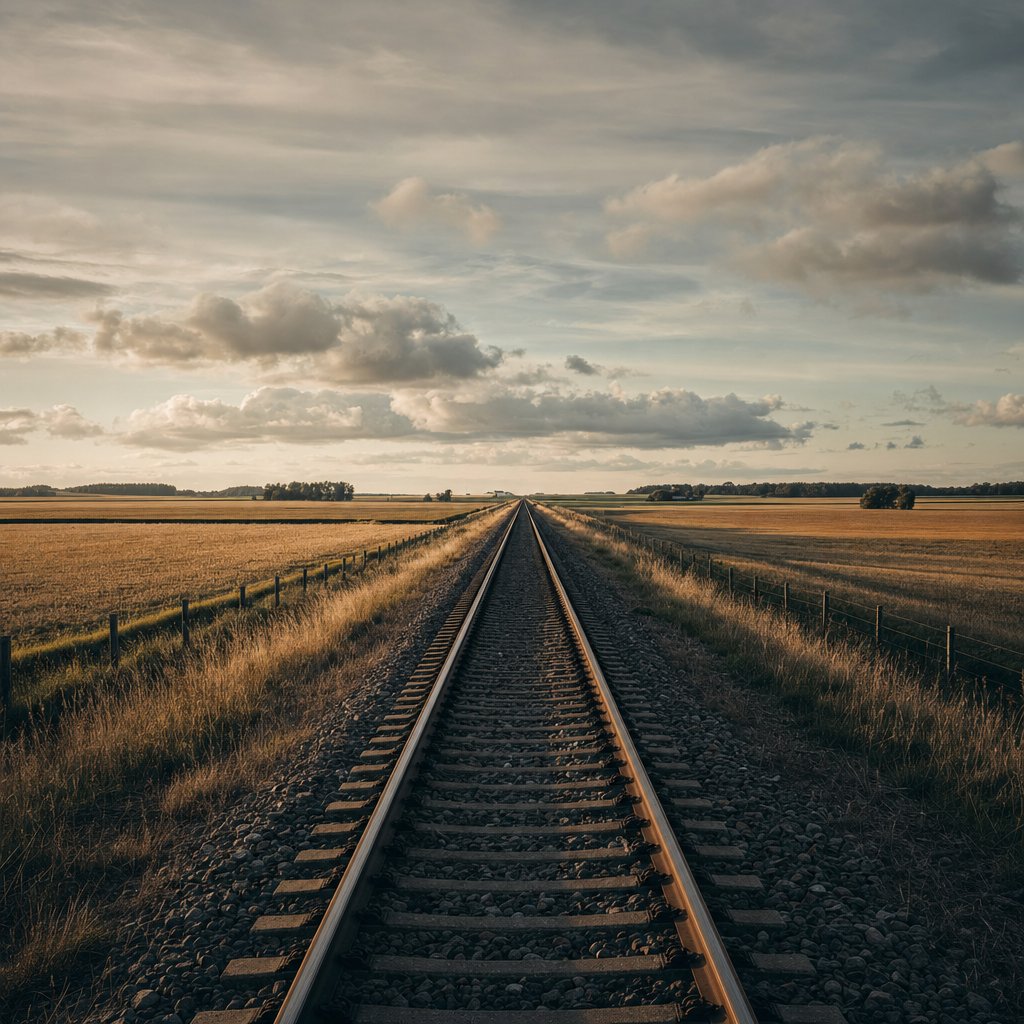
Copenhagen and Stockholm are two of relatively few national capital pairs in Europe connected by a rail route crossing an international sea strait without a ferry — a straight line between two seats of government, over open water.
FACT 02
Bridge, island, tunnel
The Øresund crossing isn't just a bridge. It's a bridge, an artificial island, and a tunnel, in sequence — built that way purely so large ships can still pass over the tunnel section without ever needing to clear a bridge span.
 FACT 03
An island that became a nature reserve by accident
Peberholm, the artificial island in the middle of the crossing, was built purely as engineering infrastructure — then deliberately left untouched. Colonised naturally since, it's now studied by biologists as one of the region's more unusual nature reserves.
 FACT 04
An international border with no passport stop
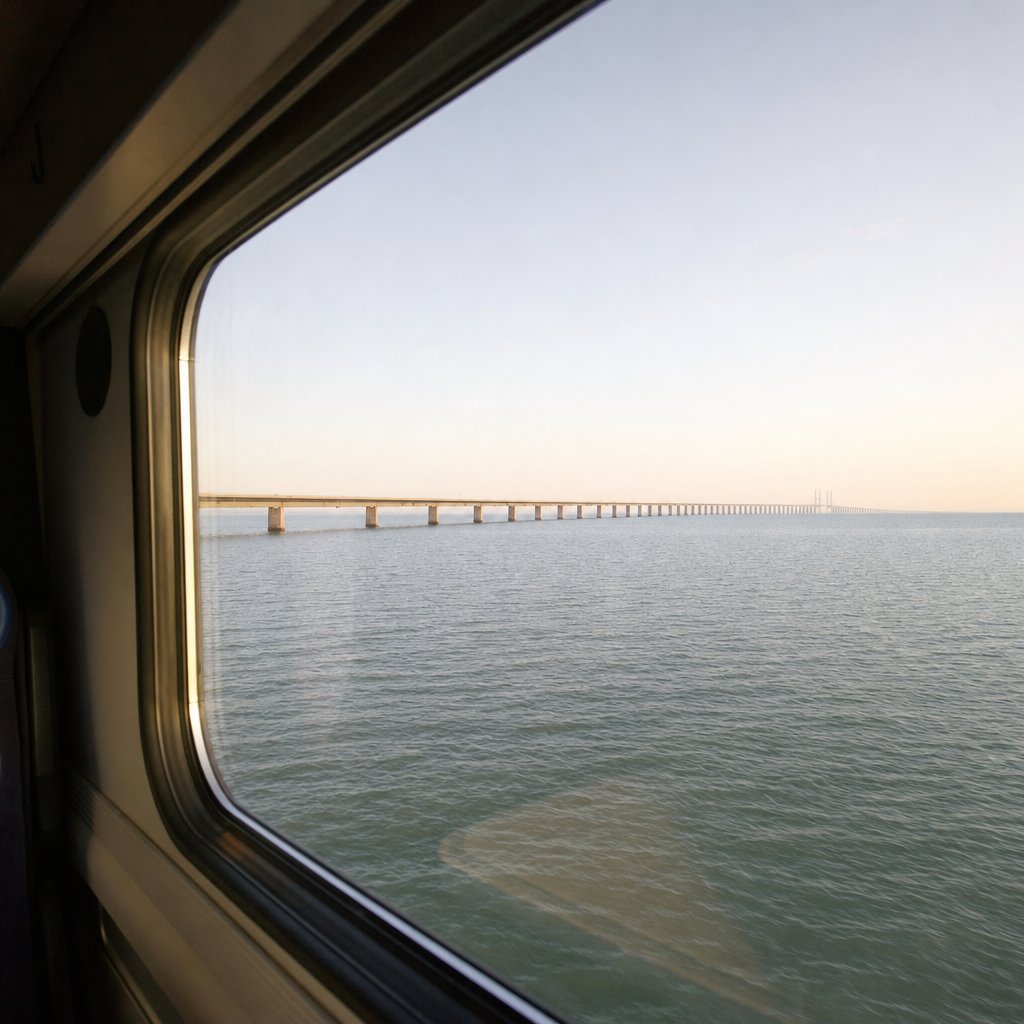
Denmark and Sweden are both part of the Schengen Area, so under normal conditions the train usually crosses this international border without a passport check or a scheduled stop for one — just open water, then a different country.
 FACT 05
Swedish high-speed rail, differently
Rather than building all-new straight high-speed lines like France or Japan, Sweden's X2000 leans into curves — tilting technology lets it hold speed through bends on track that was never built dead straight.
Copenhagen and Stockholm highlights
Both terminals sit in the historic centre, so a few hours either side of your journey go a long way. A short list for context, not a full guide.
 COPENHAGEN
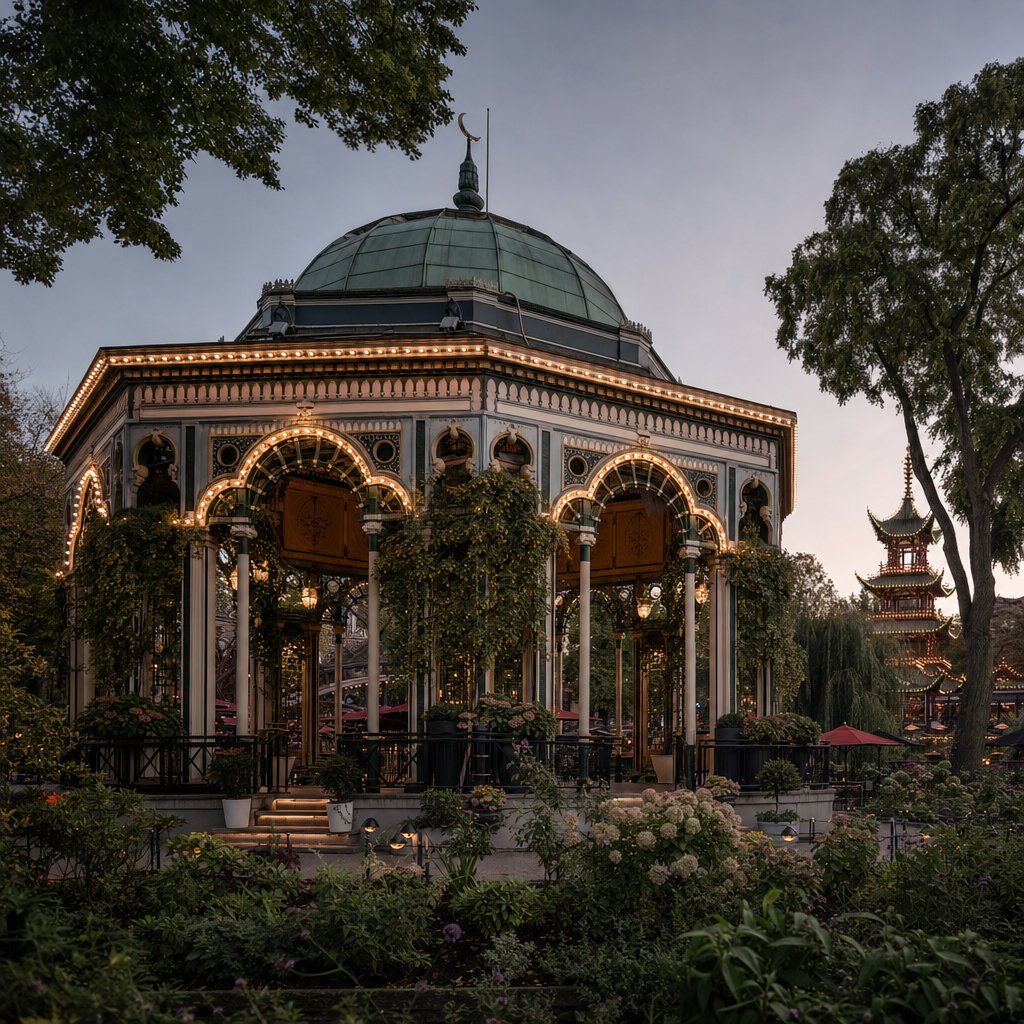
Tivoli Gardens
One of the world's oldest amusement parks, directly beside the station.
 COPENHAGEN
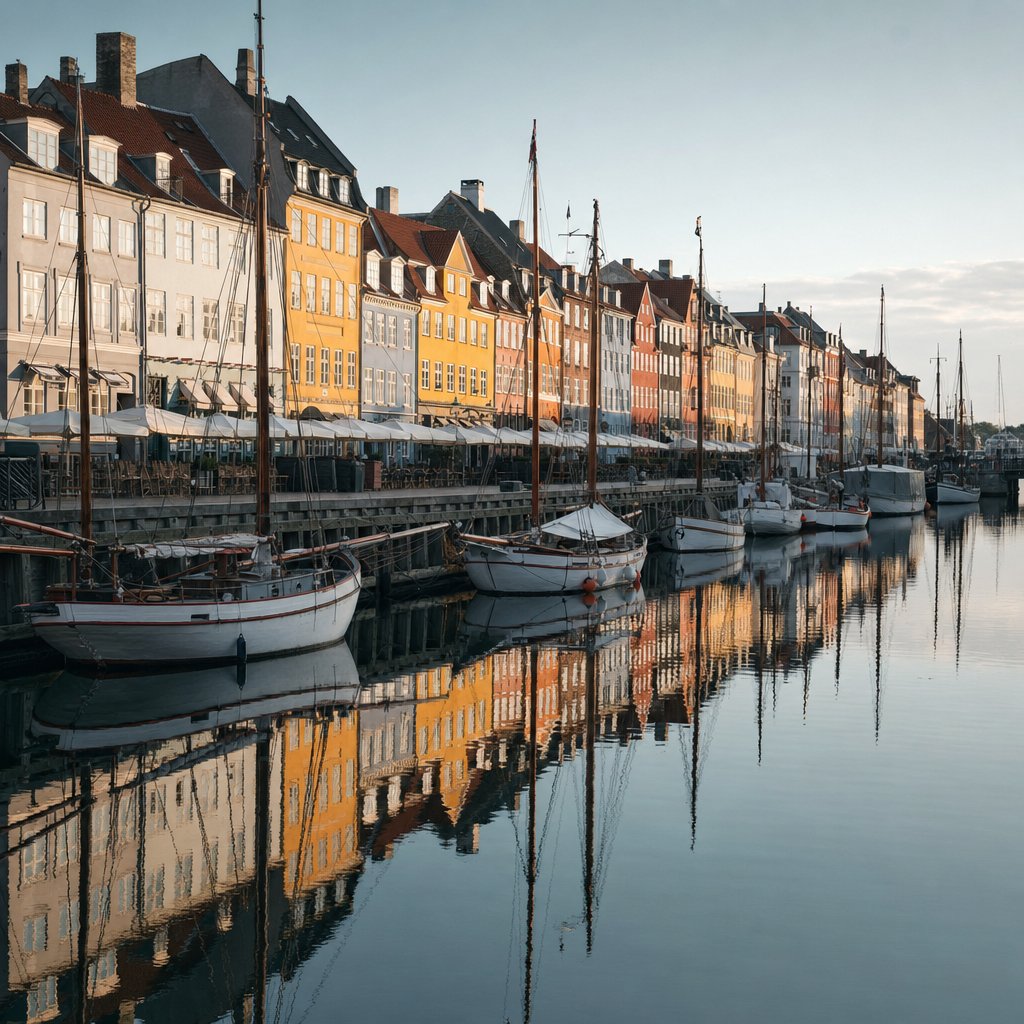
Nyhavn
The colourful 17th-century harbour canal, a short walk from the centre.
 COPENHAGEN
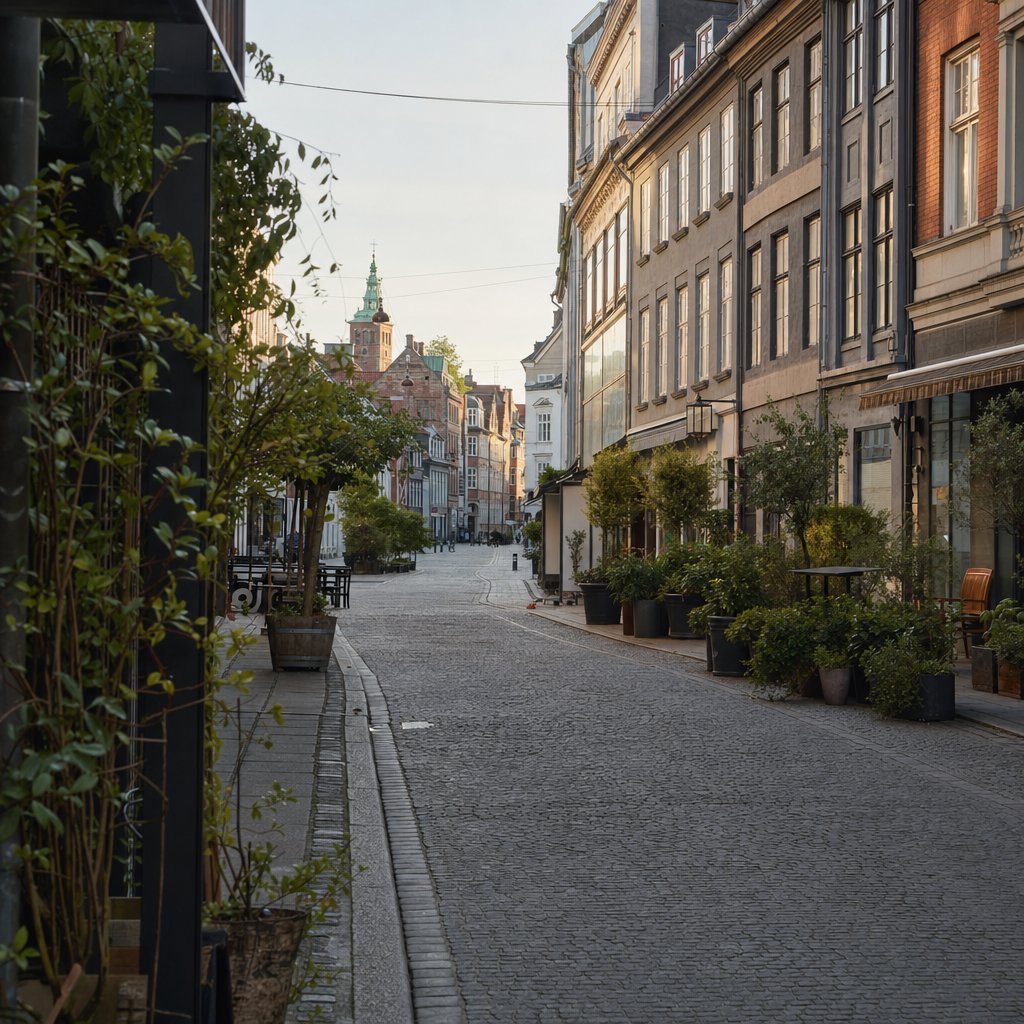
Strøget
A long pedestrian shopping street running straight through the old town.
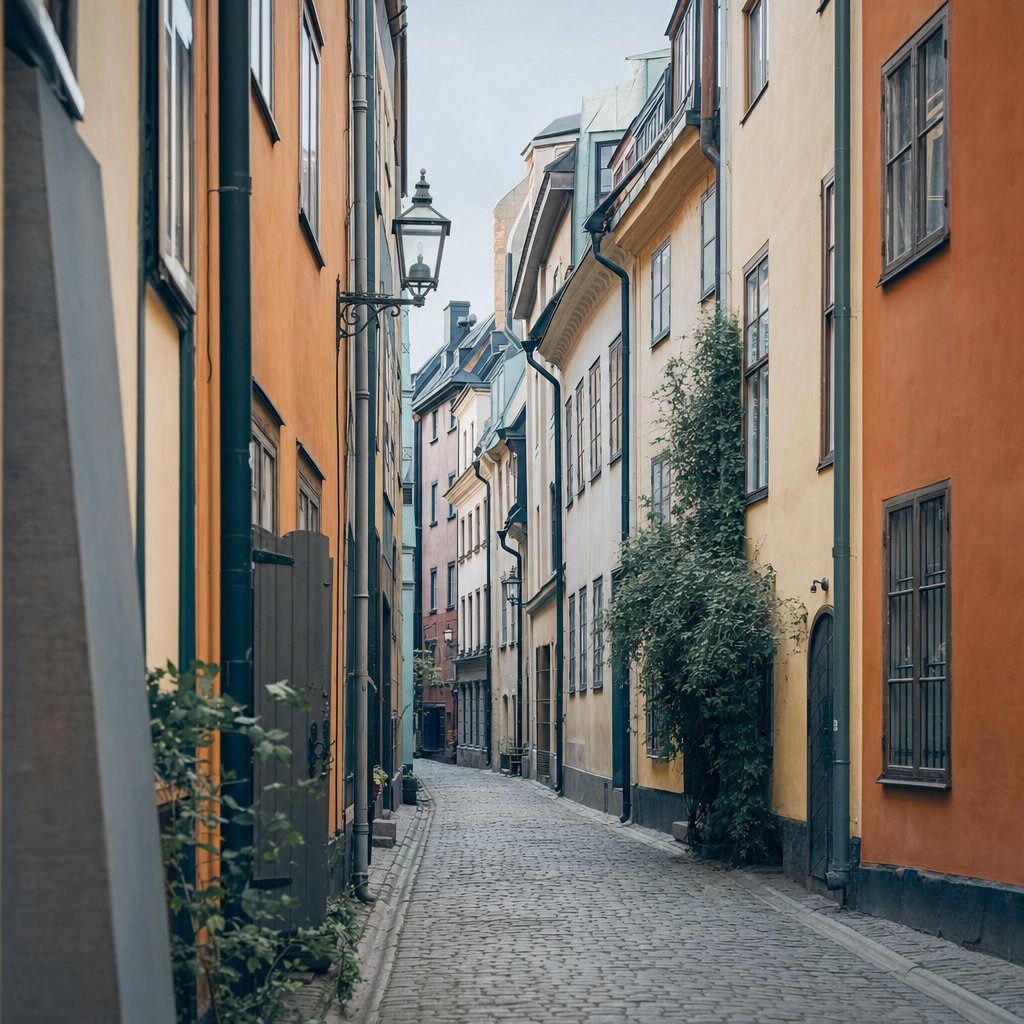 STOCKHOLM
Gamla Stan
Stockholm's medieval old town, a short walk from the station.
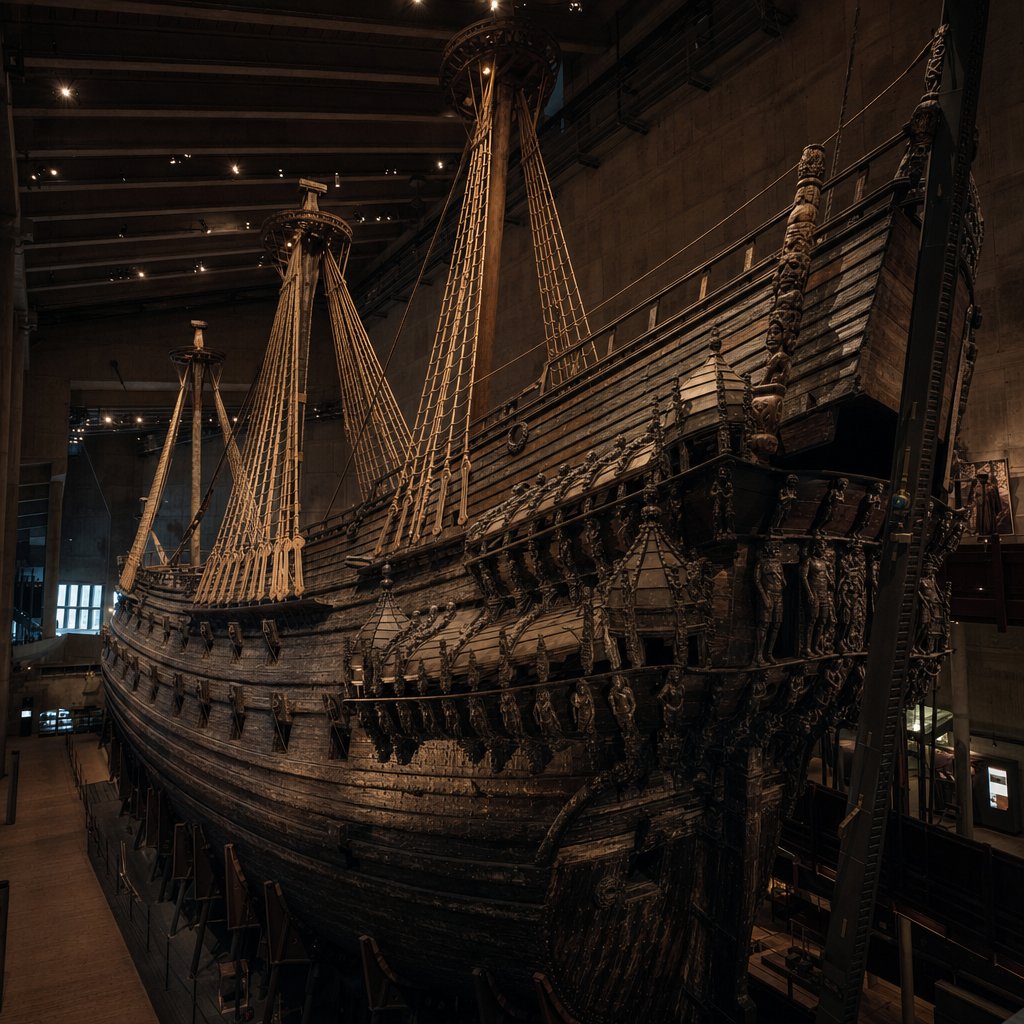 STOCKHOLM
Vasa Museum
A remarkably preserved 17th-century warship, on Djurgården island.
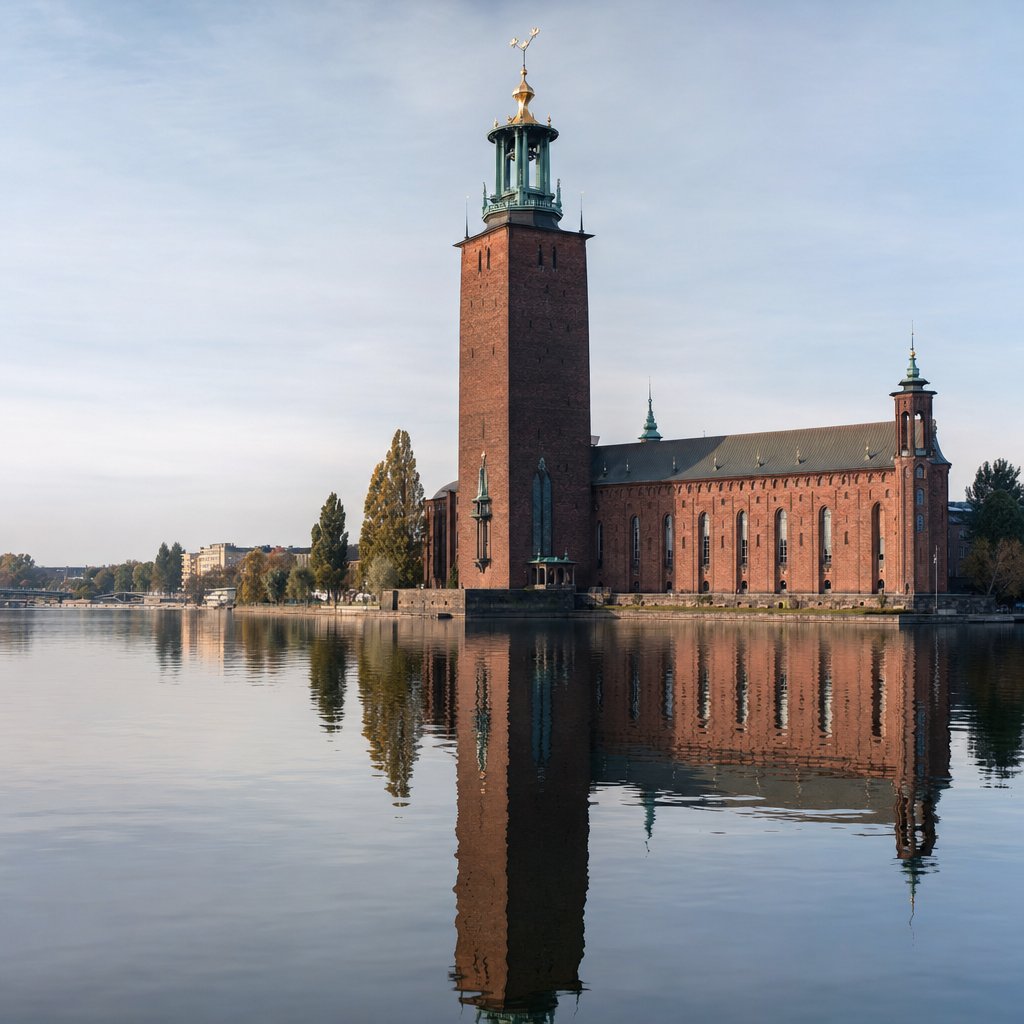 STOCKHOLM
Stadshuset
The waterfront City Hall where the Nobel banquet is held, with tower views over the water.
Can you take a day trip from Copenhagen to Stockholm?
With a total journey time of around 5 to 5.5 hours each way, a same-day round trip is possible in theory, but it is still a long day: roughly 10 to 11 hours on trains alone, before accounting for any time in Stockholm itself.
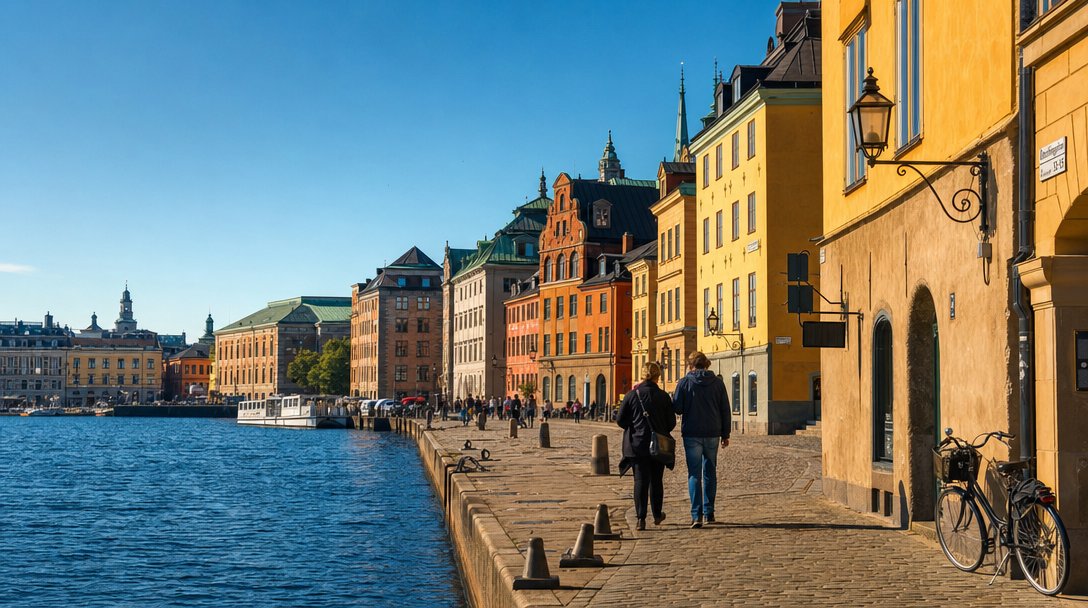
Doing it in one long day
The earliest available departure from Copenhagen and the latest available return from Stockholm are what determine whether a day trip is realistic. With an early-morning departure — Snälltåget's direct day train, or an early Öresundståg-plus-SJ connection via Malmö — you can land in Stockholm by early afternoon, leaving a handful of hours before a last practical evening return.
Works best if you're comfortable with a long day and an efficient, short list of central sights rather than a wider itinerary.
Why it's worth the long day
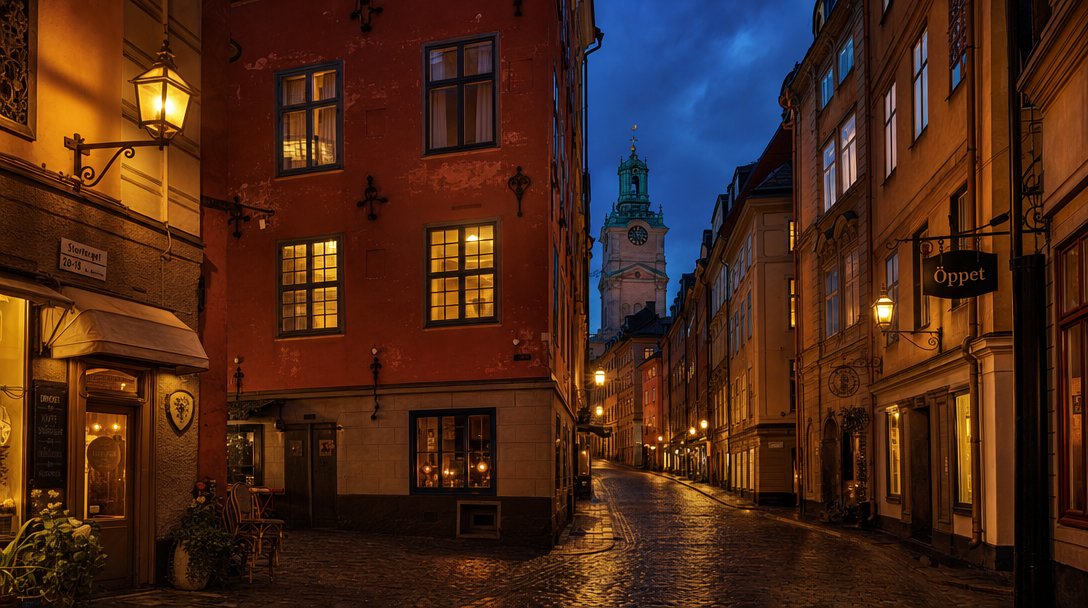
- Gamla Stan — the medieval old town is about a 15-minute walk from Stockholm Central, so sightseeing starts the moment you arrive.
- Vasa Museum — a remarkably preserved 17th-century warship and one of Sweden's most-visited sights, a short ride away on Djurgården.
- Stadshuset — the waterfront City Hall where the Nobel banquet is held, with tower views over the water, right on the way back toward the station.
Adding at least one night
Staying overnight removes the pressure of a last practical return train. It leaves room for a relaxed evening meal, an unhurried walk around Gamla Stan after dark, and a full, unrushed second day in the city before heading back.
Better suited to travellers who prefer to properly settle into a destination rather than treat it as a stopover.
Factors to weigh
- Earliest usable morning departure from Copenhagen — direct on Snälltåget, or via the Malmö connection
- Latest practical evening return, and Stockholm public transport availability late at night
- How much of Stockholm you want to see — a short list of central sights fits more comfortably than a wider itinerary
- Whether you're comfortable with a long day of travel bookending a shorter visit
There's no single right answer here. A day trip is logistically possible with the right timing, but it suits some travel styles far better than others. Check the earliest and latest departures for your specific dates before deciding.
Ready to look at departures?
Search current Copenhagen–Stockholm train options and compare times and operators.
Search trainsCopenhagen to Stockholm train — FAQ
How long is the train from Copenhagen to Stockholm?
Around 5 to 5.5 hours in total, depending on your itinerary. The current Malmö connection and Snälltåget's direct day train both take roughly that long; once SJ's own direct X2000 service resumes, it's expected to be closer to 5 hours 15 minutes.
How much does the Copenhagen to Stockholm train cost?
Fares vary widely by operator, class and how far ahead you book. Advance tickets on SJ or Snälltåget can start from around $35–45 one-way, while prices booked closer to travel are often $80–120 or more. Use the search tool on this page to check live fares for your specific dates.
Is there a direct train from Copenhagen to Stockholm?
Not from SJ right now — its direct X2000 service has been suspended since 2024 and is expected back in autumn 2026. In the meantime, Snälltåget runs a daily day train that covers the whole route without a change, while SJ's own combined ticket currently involves changing trains in Malmö.
Do you need to change trains in Malmö?
On the current standard SJ/Öresundståg itinerary, yes — you change from a regional train to a long-distance one in Malmö. Snälltåget's daily day train calls at Malmö but doesn't require you to get off, so it's currently the one genuinely no-change option.
How far is Copenhagen from Stockholm by train?
The rail distance is approximately 522 kilometres (325 miles).
Which train companies operate between Copenhagen and Stockholm?
SJ runs the long-distance Malmö–Stockholm leg (and is expected to resume its own direct Copenhagen–Stockholm X2000 service in autumn 2026), Snälltåget runs a daily direct day train plus a seasonal overnight service, and Öresundståg covers the regional Copenhagen–Malmö leg.
What is the X2000 train?
SJ's tilting high-speed train, currently used on the Malmö–Stockholm leg of the journey and previously (and again from autumn 2026) on the full Copenhagen–Stockholm route. It tilts through curves to hold speed and typically has a bistro car plus first and second class.
Does SJ run between Copenhagen and Stockholm?
Yes, but currently as a connecting itinerary rather than a single through train — SJ's direct X2000 service is suspended until an expected autumn 2026 return. Until then, SJ sells a combined ticket covering the Öresundståg leg to Malmö and its own X2000 onward to Stockholm.
Does Snälltåget run between Copenhagen and Stockholm?
Yes. Snälltåget runs a daily, year-round day train between Stockholm, Malmö and Copenhagen (part of a longer Hamburg–Stockholm service), plus a seasonal overnight service roughly May to October. The daytime service is currently the only genuinely direct, no-change option on this corridor.
What is Öresundståg?
A cross-border regional train network covering Copenhagen and southern Sweden, including the Copenhagen–Malmö leg used on the current connecting itinerary. It's a separate, regional-only network — it doesn't run to Stockholm.
Where does the train leave from in Copenhagen?
Trains depart from Copenhagen Central Station (København H) in the city centre, next to Tivoli Gardens, with connections to the S-train and Metro networks.
Where does the train arrive in Stockholm?
Trains arrive at Stockholm Central Station, in the heart of the city, directly connected to the T-Centralen metro hub and Stockholm's commuter rail network.
Can you take luggage on the Copenhagen–Stockholm train?
Yes, standard suitcases and hand luggage are permitted, but exact allowances differ by operator. SJ, Snälltåget and Öresundståg each publish their own limits on size, weight and number of items, so check the relevant operator's current policy before travelling.
Can you take a bicycle on the train?
It depends on the operator. SJ's X2000 generally requires bikes to be disassembled and bagged. Snälltåget mostly restricts conventional bikes, allowing folding bikes as hand luggage. Always check the specific operator in advance.
Can you bring a pet on the train?
Pets are generally allowed but with operator-specific rules. Öresundståg permits small pets within Sweden, often at a child fare across the border. SJ allows pets in second class within a reservable pet section. Service dogs typically travel free on all operators.
Is Wi-Fi available on the train?
SJ's X2000 and most modern regional trains on this corridor offer onboard Wi-Fi, though coverage and speed can vary, particularly on the sea crossing and in rural stretches of southern Sweden.
Is food available on the train?
SJ's X2000 typically has a bistro or trolley service with snacks, drinks and light meals. Snälltåget's day train has a restaurant carriage and a self-service counter. Regional Öresundståg trains have no onboard catering, so it's worth bringing your own snacks for that leg.
Can you travel from Copenhagen Airport to Stockholm by train?
Yes. Copenhagen Airport (Kastrup) has its own station on the same line the train uses, making it possible to start the journey to Stockholm directly from the airport rather than going into central Copenhagen first.
Does the train cross the Øresund Bridge?
Yes. Every train on this corridor — SJ's X2000, Snälltåget, or the regional Öresundståg service — crosses the Øresund fixed link: a bridge, the artificial island of Peberholm, and the immersed Drogden Tunnel, connecting Denmark and Sweden by rail and road.
Is Copenhagen to Stockholm by train a good alternative to flying?
It depends on priorities. The train offers city-centre stations, no security lines, and scenic travel through the Øresund and southern Sweden, but takes longer overall than flying. Travellers who value comfort, low-hassle transfers or lower-carbon travel often prefer the train; those prioritising the shortest possible total time may prefer flying.
Can you make a Copenhagen–Stockholm day trip by train?
It is possible with an early departure and late return, but tight. With around 5 to 5.5 hours each way, a day trip leaves limited time in Stockholm and requires careful planning around the earliest and latest available departures, direct or via Malmö.